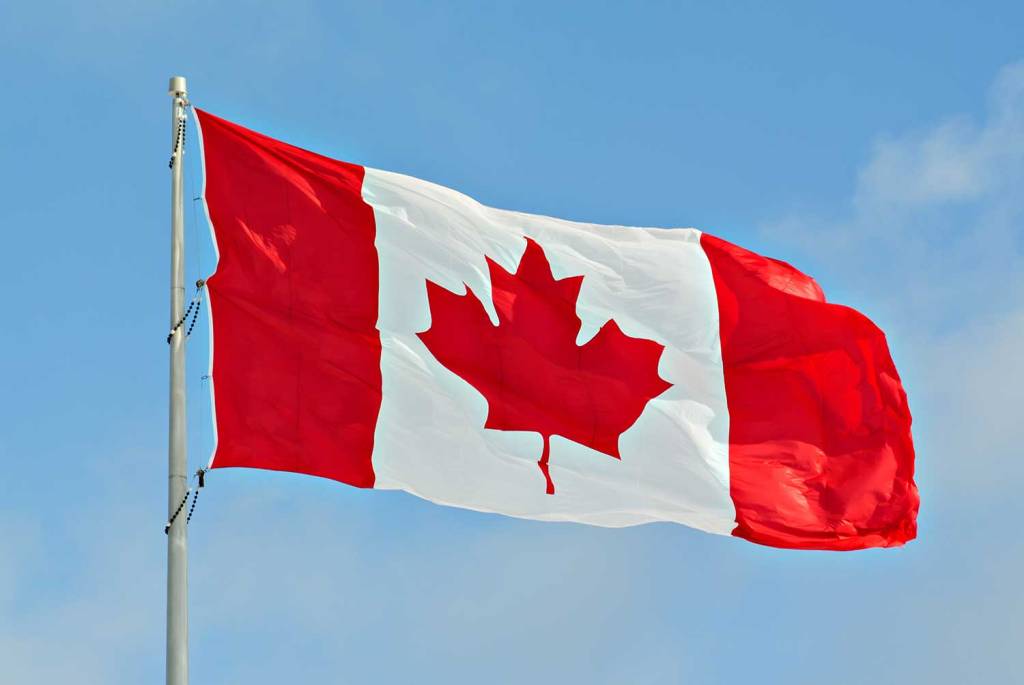
Sovereignty. Proud and free. Neighbors. What do these words mean to you? How would you define them? Are these words connected to a moral standard in the social contract between individuals within the national community and between nations in the international community? If an ethical standard exists, how do we, as individual persons and as a nation, live these words? I have been asking myself these questions over the past two years.
The questions followed me through the pages of Regime Change: Inside the Imperial Presidency of Donald Trump by Maggie Haberman and Jonathan Swan. There were moments when I felt as if I were reading a Stephen King horror story and wondered, “Who opened the door to the asylum?” At other times, passages of William L. Shirer’s The Rise and Fall of the Third Reich and Hannah Arendt’s The Origins of Totalitarianism came to mind.
In her reading of Thomas Hobbes’s Leviathan, Arendt observes: “Power, according to Hobbes, is the accumulated control that permits the individual to fix prices and regulate supply and demand in such a way that they contribute to their own advantage. The individual will consider his advantage in complete isolation, from the point of view of an absolute minority, so to speak; he will then realize that he can pursue and achieve his interest only with some kind of majority. Therefore, if man is actually driven by his individual interests, desire for power must be the fundamental passion of man. It regulates the relations between individual and society, and all other ambitions as well, for riches, knowledge, and honor follow from it.”
I first read Hobbes in college, and do not ascribe to his pessimism. However, I recognize, as Arendt did, that this understanding of power fails to establish stability in the social contract and instead establishes “a consistent pattern of attitude through which every genuine community can easily be destroyed.”
Court rulings that are ignored, derogatory statements against individuals and groups based on race and gender, disregarding the sovereignty of other nations, and the violation of international law, all for personal gain and a tighter grip on power, substantiate that we in the States are governed by unethical lawbreakers.
Six years ago, Lloyd “Pete” Waters went to Settle to ask people what freedom meant to them. He begins his opinion piece for the Herald-Mail with the textbook understanding of freedom as “the power or right to act, speak, or think as one wants without hindrance or restraint; absence of subjection to foreign domination or despotic government; the state of not being imprisoned or enslaved.” I somewhat disagree with this understanding in that we cannot fully act “without hindrance or restraint.” Responsibility is foundational to freedom. Ethics, seeing ourselves as moral beings, is the basis for responsibility. The social contract between individuals, their government, and their nations centers on accountability.
Today, Canadian Prime Minister Mark Carney is a voice of reason addressing the necessity of accountability.
Those living in the States should feel unease about the trade war with Canada. This is not merely about what affects their and Canadian’s cost of living. The Trumpian policies weaken the States’ credibility as a democracy. What exactly is the administration projecting to the international community in this post-Cold War era, which increasingly resembles the pre-World War I (August 1914) era? Responding with a glib “chaos” is insufficient. “Corruption” has made the States an unreliable international partner.
Anne Applebaum writes in The Atlantic: “The United States of America is no longer the entity they (the international community) knew. And American power is no longer deployed solely by trained diplomats and reliable officials, working through state channels. Informal envoys, private companies, online grifters, and hardened ideologues both inside and outside the government matter more. Unlike their predecessors, these people do not talk about spreading democracy, and don’t want to build long-term relationships. They don’t care about America’s reputation. They are deploying the tools of American diplomacy and government for their own purposes, to promote their own business interests or their own ideological goals, because, suddenly, they can.” https://www.theatlantic.com/magazine/2026/10/maga-foreign-policy/688352/
The vortex the Trump Administration has created is averse to civil liberties both within the States and abroad. The current administration lacks men and women who, in the words of James Madison, are “proper guardians of the public weal,” and of “the most attractive merit and diffusive and established character.”
Prime Minister Carney is correct to establish closer ties with the European Union in a unique alliance. The European Union stands for those values the current government of the States has abandoned. These include:
- defending civil, political, economic, social and cultural rights and freedoms
- promoting non-discrimination and equal treatment on the basis of sex, race or ethnic origin, religion or belief, disability, age and sexual orientation
- empowering EU citizens, workers, employers and consumers
- promoting and protecting gender equality and the rights of persons with disabilities, minorities, children and the elderly
- promoting freedom of expression, religion or belief
- empowering civil society and democracy
- guaranteeing access to justice and effective legal protection
- opposing the death penalty, torture and human trafficking
- defending human rights through active partnership with partner countries, international and regional organizations, and groups and associations at all levels of society
- inclusion of human rights clauses in all agreements on trade or cooperation with non-EU countries https://european-union.europa.eu/priorities-and-actions/actions-topic/human-rights-and-democracy_en
Canadians can and should take pride in Prime Minister Carney’s foreign policy, which reflects their, and my values. This is not to say these standards—ethical and moral values —are fully realized, given human nature. However, the European Union strives to achieve this is the goal.
My life experience and conversations with government officials and theologians have often brought me to the conclusion that there are no easy solutions to the crisis we face. What is needed today are women and men who possess courage. Prime Minister Carney is such a person. The question for each person holding political office or a private citizen is whether they (we) have the courage to stand against the totalitarianism of the Trumpian age. What type of Age will we construct from the rubble of the Trumpian empire as it collapses? Do we want another Dark Age, or a Renaissance?
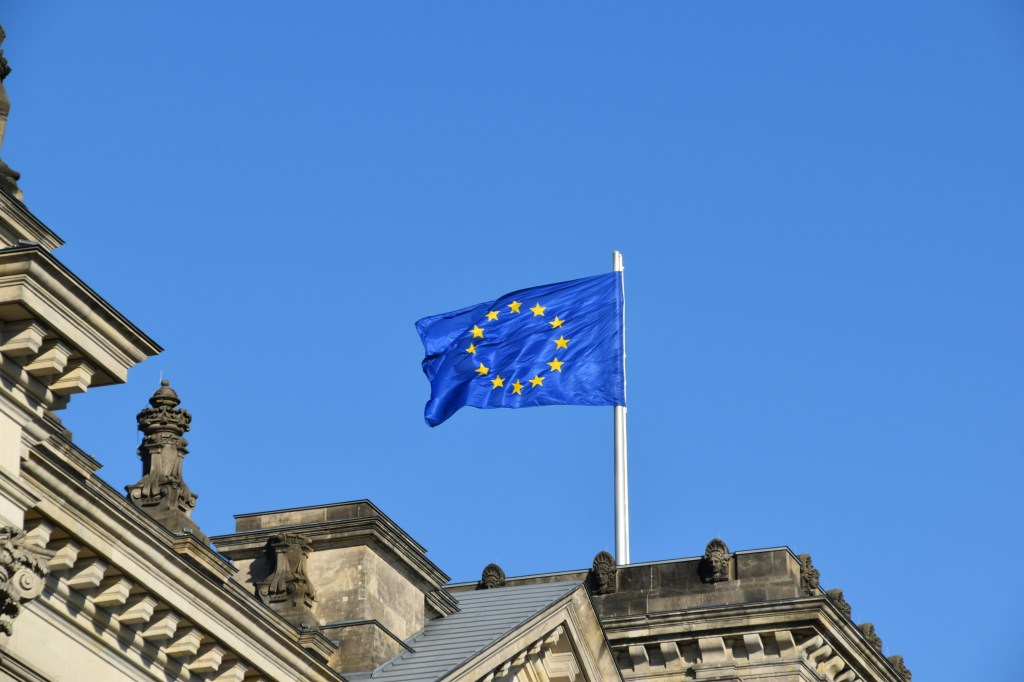
Photo by Waldemar Brandt on Unsplash
The following is dedicated to my Canadian friends and neighbors. I hope those living in the States will listen carefully to the words.
When Character and Substance Matter ©2026 Charles van Heck


Leave a comment