A Reflection on Relationships
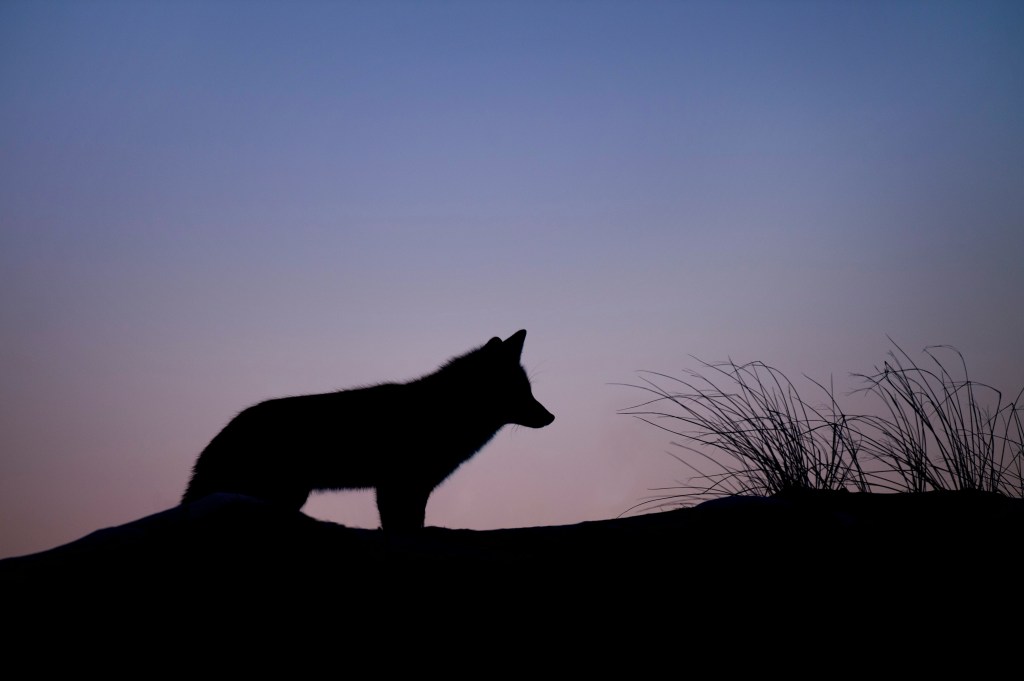
A coyote’s high pitched yelping from the back pasture woke me at 2:15 this morning. They, like all creatures, play a role in our biodiversity and are crucial to the balance of our environment. There is a sacredness, a bond of commonality between human beings and the coyote, that is easily overlooked, ignored, or forgotten. The Indigenous peoples remind us of our connection in their stories and worldview.
The Lakota word for the coyote is šuŋgmánitu. He is a culture hero and a trickster. In the legend tales, the coyote is described as witty, conniving, shrewd, uncouth, indecent, and a thief.
In the Navajo language, the word for coyote is ma’ii (or mą’ii). An intelligent animal, the coyote is dual-natured, both good and evil, a trickster that represents harmony and order, but is known to test the limits of authority and the bounds of possibility.
The Nuu-chah-nulth peoples of the Pacific Northwest coast of Canada, whose traditional home is located on the west coast of Vancouver Island, introduce us to another trickster— the Raven, Qu?ušin, in their stories.
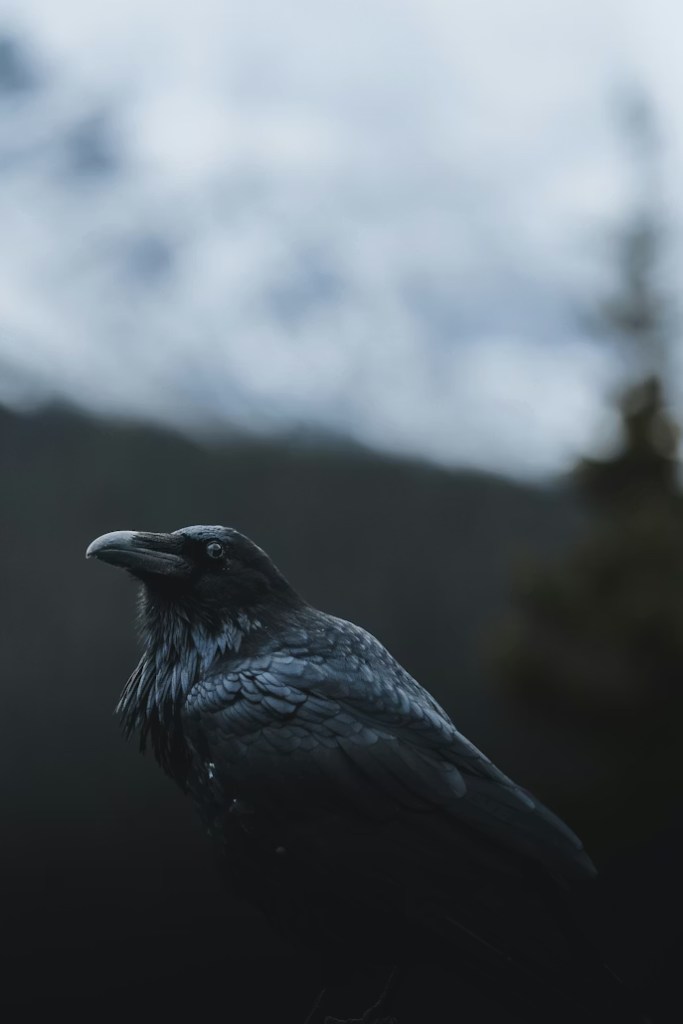
In the Nuu-chah-nulth culture, the raven is referred to as Son of Raven. The stories about him range from the comical to the heroic, and everything in between. When he blunders, it is due to his inflated ego and an inaccurate self-perception.
The various, and variations of the Trickster stories told by the Indigenous peoples are instructional. They convey truths about human nature— the problems we contend with, the possible resolutions, and the outcomes for the choices we make.
Before continuing, I would point out that I think, and believe, it would be incongruous for me as a descendant of Europeans to either disclose and interpret these Indigenous stories. Instead, I will share the lessons I have learned from the stories about choices.
We daily make choices between good and evil. Oftentimes, these decisions are made subconsciously. The results of our decisions either bring balance or imbalance to our lives and those of others. Do I act for the well-being of others, all forms of life, or against life? Do I act with respect or disregard for others? Do I emphasize and value our personal and individual rights above the community’s welfare and security? We tend to take our freedom for granted. What does freedom mean in our national, communal, and personal relationships?
Every person, regardless of gender, race, or socio-economic status, must be allowed to pursue their interests and to develop their talents. I am inclined to think we too often fail to appreciate that individualism and individual self-expression entail a responsibility to serve our family and community. At the same time, our individuality contributes to and enriches our families and community. This is a balancing act that requires nurturing, self-reflection, and an openness to grow. Our actions require remembrance of our values and critical thinking.
What are my principles and values? What are my priorities? What is in my heart? Will my words and actions have a positive, creative, or negative, destructive effect? Do I strive for the rights of family and friends? Do I strive for sound, loving, respectful relationships, or do I prioritize my self-interest for personal gain? Am I overindulgent, short-changing others? What is the strength of the fabric my relationships are made of?
Healthy relationships require work. When my students or colleagues came to me to announce their engagements, I reminded them that a home had more rooms than the bedroom. They would have to learn to work together in the kitchen and share the living room. The euphoria of being with a beloved wears off, unless we give it constant work and nourishment. Good relationships need enough common ground to make them work, and enough uncommon ground to keep things interesting. Respect, discovery, and gratitude are essential.
While listening to the coyote, I asked myself the questions raised here. I found myself wanting in some of the answers. I am dual-natured, capable of good and evil. This is a daily struggle. We, individually and as members of our communities in their various forms (schools, workplaces, neighborhoods, synagogues, churches, mosques, as a nation), have choices, based on free will, to decide the bounds of possibility.
Photograph Credits
Coyote, Photograph by Ray Hennessy on Unsplash
Raven, Photograph by Kevin Mueller on Unsplash

 Charles van Heck's Woodhull Journal
Leave a comment