
And now the autumn season waits,
In mellowing forms of fruitage.
– Stephen Henry Thayer (1839-1919)
Autumn for me is a time of renewal. A time to reflect. This season, with all its radiance, is a period when nature reminds me of my mortality, that I am a finite being standing before eternity. The 18th-century poet James Thomson captures my sentiments for this season of harvest.
But see the fading many-coloured woods,
Shade deepening over shade, the country round
Imbrown; a crowded umbrage, dusk and dun,
Of every hue from wan declining green
To sooty dark. These now the lonesome muse,
Low-whispering, lead into their leaf-strown walks.
And give the season in its latest view.
Meantime, light shadowing all, a sober calm
Fleeces unbounded ether; whose least wave
Stands tremulous, uncertain where to turn
The gentle current; while, illumined wide,
The dewy-skirted clouds imbibe the sun,
And through their lucid veil his softened force
Shed o’er the peaceful world. Then is the time
For those whom wisdom and whom nature charm
To steal themselves from the degenerate crowd,
And soar above this little scene of things —
To tread low-thoughted vice beneath their feet,
To soothe the throbbing passions into peace,
And woo lone Quiet in her silent walks.
James Thomson (1700-1748)
This, for me, is a time when pleasure is taken in a leisurely saunter through the scented woods or down a country lane. Moments shared with a squawking blue jay and cawing crows.
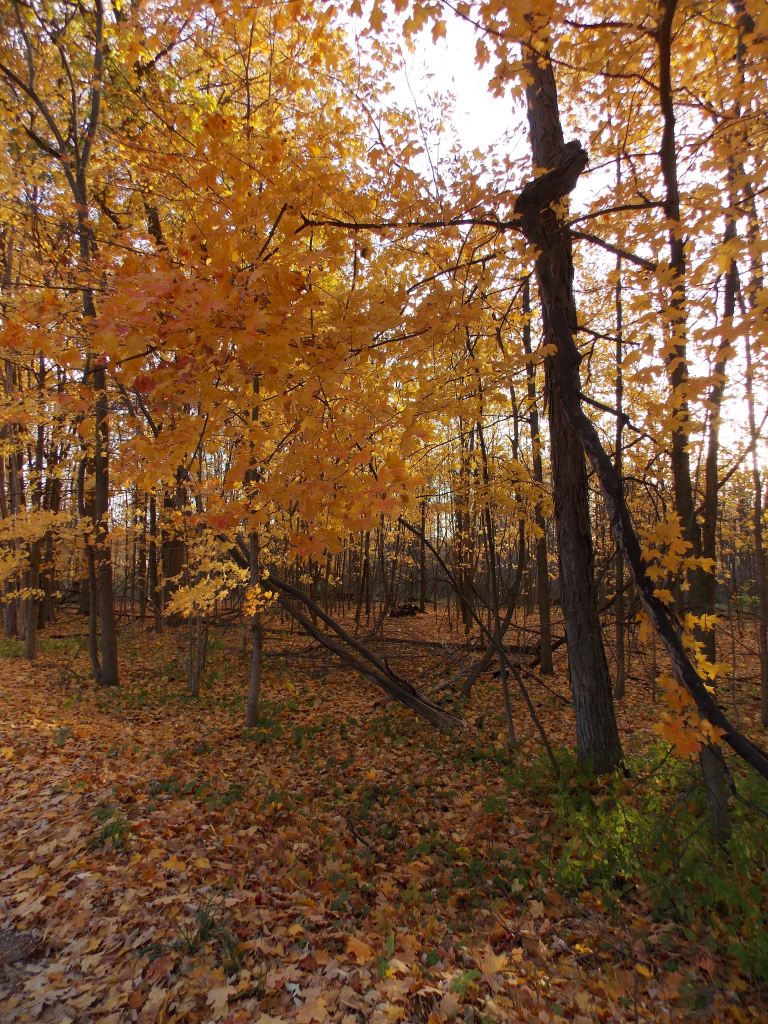
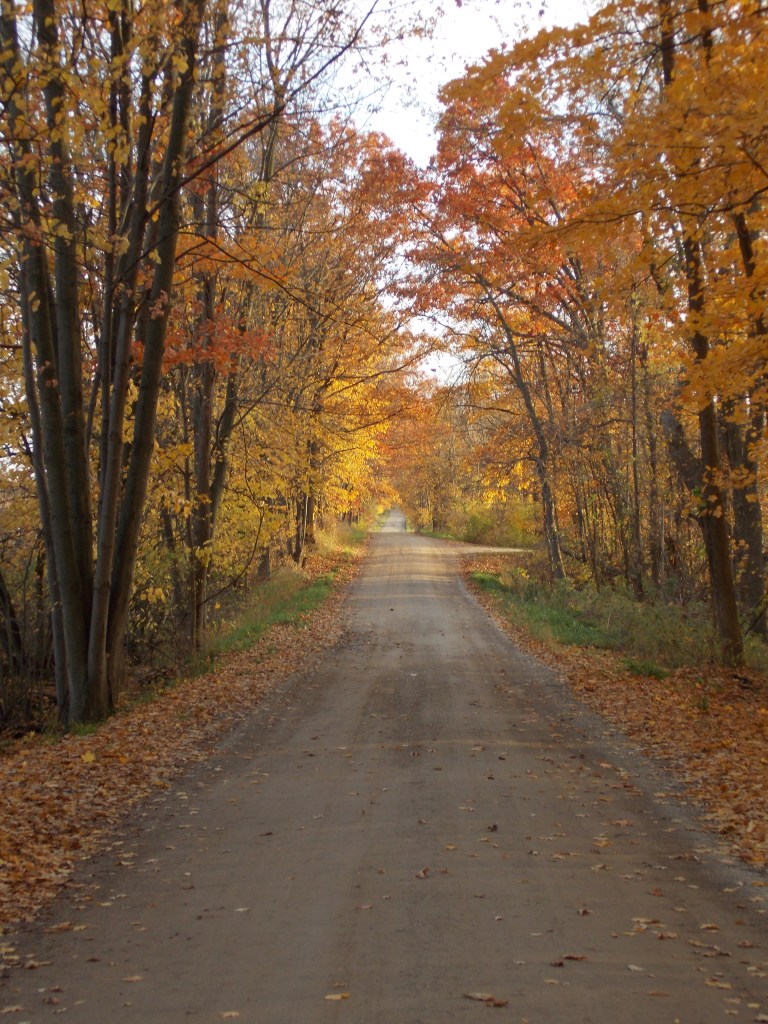
According to the Old Farmer’s Almanac, Monday, 22 September, is the Astronomical start of Autumn. The Meteorological date given was Monday, 1 September. Either way, this summer has lingered. Due to heat and drought, the autumnal tints of bright yellows, the first blush of red and orange hues are unhurried in revealing themselves, though the cucumber green has begun to fade on the drooping leaves. I tell myself that it is too early for the yellow canopies. The time for kicking leaves will come in October. First, the harvest of squash, tomatoes, and green beans. Gratification is found in the goldenrod, black-eyed Susans, mums, aster, blue mist shrub, and Mexican bush sage, to name but a few.
And of course, apples.
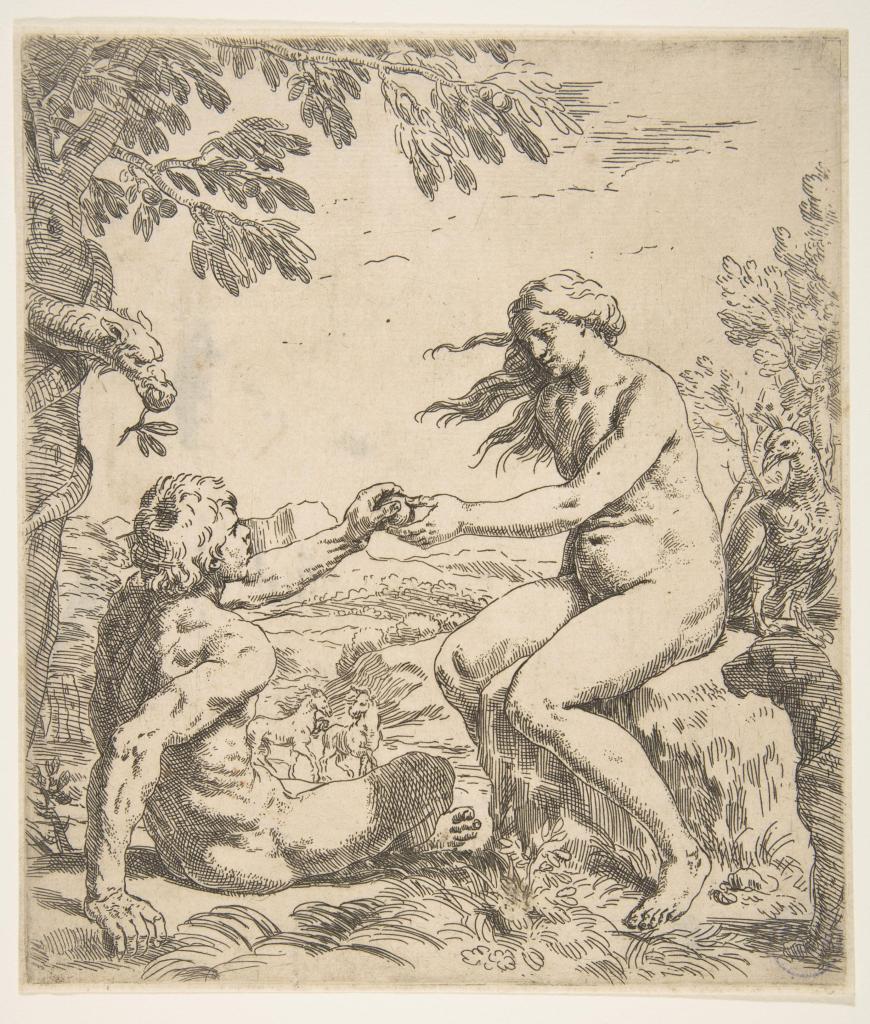
Apples have gotten a bad rap since artists began depicting Eve plucking one on the advice of the serpent. Of course, Adam wanders into the scene, finding Eve munching away. “Try one, Adam. They’re Golden delicious.” Had Adam declined, “Golden delicious? No thanks, I prefer the Honey crisp,” things may have turned out differently.
But as the Talmudic scholar Rabbi Louis Ginzberg noted, the biblical text does not specify the fruit, though the Rabbis and biblical scholars have speculated about the subject. A careful reading of the text reveals that the author intended to establish freedom of action, the right to decide, and the responsibility of our actions. As human beings, we have two impulses, the yetzer ha-tov and the yetzer ha-ra― the inclinations to do good or bad (Talmud Berakhlot 61a). Eve and Adam’s act of disobedience to the command, “… ‘Of every tree of the garden you are free to eat; but for the tree of knowledge of good and bad, you must not eat of it, for as soon as you eat of it you shall die’” (Genesis 2:16-17) was a moral choice.
Forbidden fruits tantalize us daily. We choose whether to partake of that fruit, and, as in Adam’s case, lie to ourselves, to others, and God about it, or to act in faith and obedience. Faith in the Divine can animate us, as Rabbi Joseph Soloveitchik teaches. Our commitment of mind, heart, and will to the Divine opens us to a more profound love for humanity.
Among the autumnal fruits is the fruit of contemplation, a time to reflect on the passing year, to examine our deeds and actions that we may be able to repent and correct them in the approaching new year. These are days to recognize in ourselves that “A person should always regard themselves as half guilty, half meritorious” (Talmud Kiddushin 40a). This gift is central to the Jewish High Holy Days. Though uncelebrated by Christians and others, the High Holy Days, the seasonal change, offer themselves as an opportunity for the activity of reflection and to be open to God’s attributes of mercy and justice for ourselves, and to take these into a world in need of healing.
Shanah Tovah
Photographs: copyrighted © 2025 Charles van Heck
Image: Adam and Eve
Artist: Simone Cantarini (Italian, Pesaro 1612–1648 Verona)
Source:
The Metropolitan Museum of Art
Drawings and Prints
Bequest of Grace M. Pugh, 1985

 Charles van Heck's Woodhull Journal
Leave a comment